The Architecture of Speed
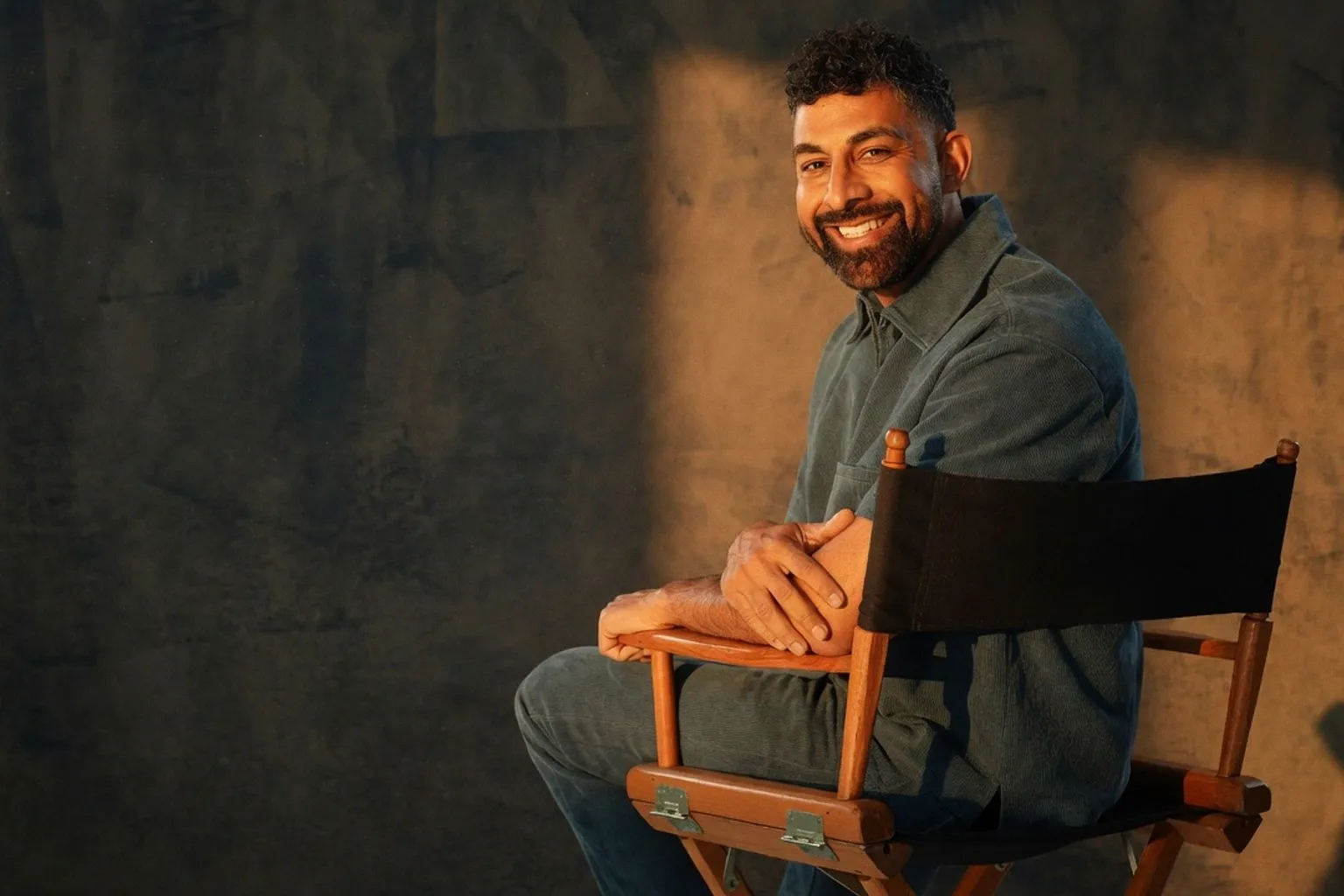
What we encounter here is not a renegade YouTube channel but infrastructure. Mann owns his distribution and his audience; he shoots and releases episodes weekly, and reads the comments the same afternoon. "Most traditional studios create content and hope that the audience follows," Mann tells Forbes. "We listen to the audience and follow what they want." The result is a feedback loop that traditional Hollywood cannot match — what the industry once called development by committee is now development by engagement metric, played out in public and in real time. Jeffrey Katzenberg, the DreamWorks co-founder and former Disney chairman, names it precisely in the piece: "a 21st-century studio."
The Grammar of the Algorithm
The visual grammar of these episodes is stark. They run roughly 24 minutes, the length of a network drama minus the ad breaks, and obey a moral arithmetic as legible as a fable. The hero wins, the villain loses, the viewer leaves with a lesson. Characters are archetypes drawn in broad strokes — bully, victim, popular kid, ugly duckling — and episode titles announce the thesis before the first frame: *Nerd Fights Jock to Win Back His Ex*; *Geeky Girl Is Secretly a Beauty Queen*. Oscar-worthy, Mann's work is not. But it is, as studio CEO Sean Atkins — a former MTV and Discovery executive — argues in the profile, "universal stories" in which audiences always know who the good guy is. The most-watched video on his YouTube channel, *Big Brother Helps Sibling With Autism*, has logged 69 million views — a number that quietly reframes what "prestige" can mean when scale, not taste, is the criterion.
What the Mirror Reflects
It is tempting to dismiss this as content rather than cinema, but the cultural weight is harder to wave away. While Mann's operation expanded in Burbank, Los Angeles film and TV employment contracted by roughly a third — from 150,000 jobs in 2022 to 101,000 in 2025 — as production chased tax breaks and lower costs elsewhere. Legacy Hollywood, the Forbes piece argues, is withering; in its place has risen a model that treats the audience not as a market to be sold to but as a collaborator to be polled. The NFL, which named Mann its Chief Kindness Officer in 2025, is betting that this is where the next generation of viewers actually lives. Whether we choose to call it filmmaking or not, we are watching the center of gravity of screen culture shift beneath our feet — and the new studios, it turns out, look less like backlots and more like call centers.