A Cascade of Compounding Crises
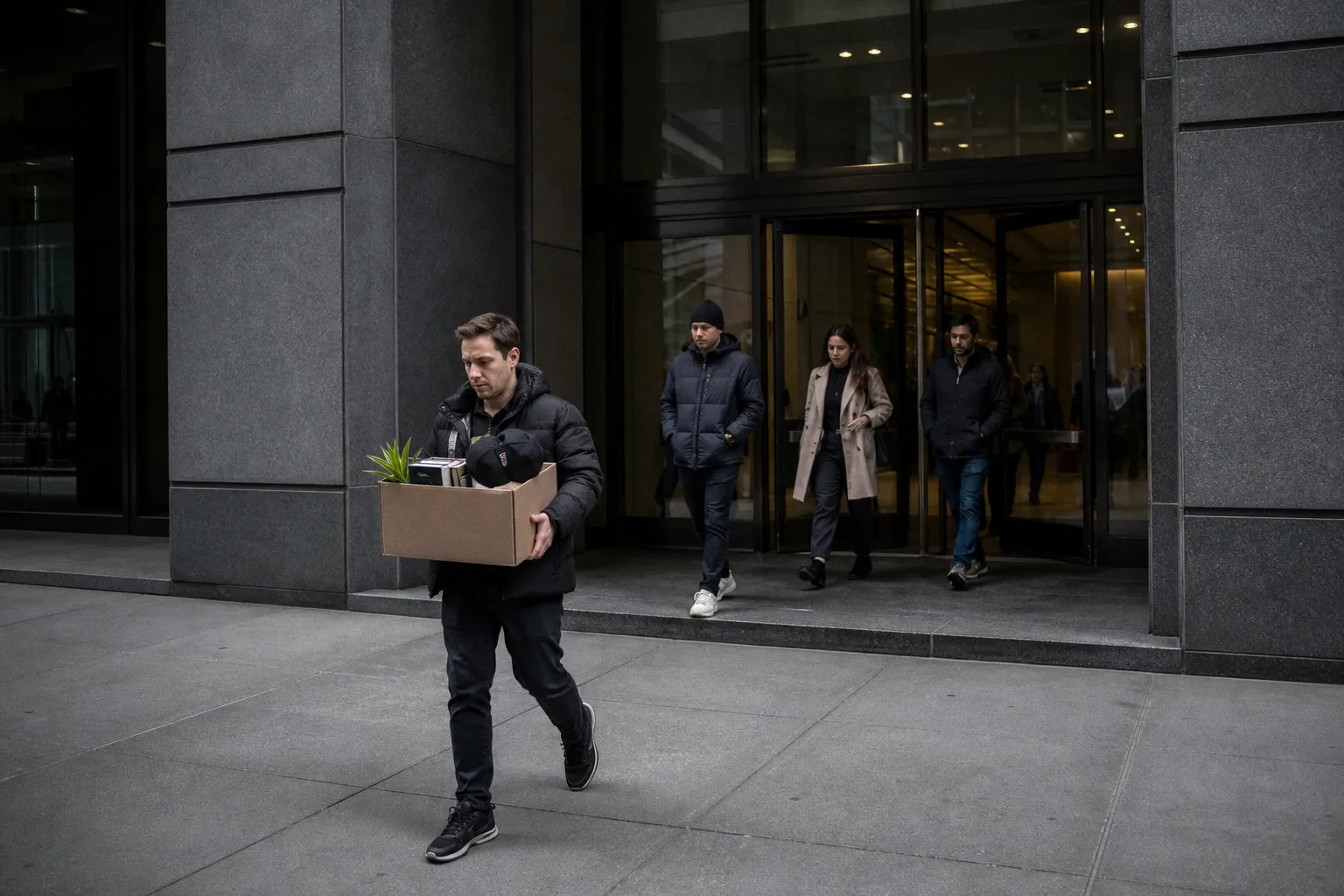
This latest contraction doesn’t exist in a vacuum. It’s the aftershock of a perfect storm that has battered Hollywood’s foundations. The past few years have been defined by a relentless series of disruptions: the aftershocks of the Covid-19 pandemic, the protracted dual strikes of 2023, and, most recently, the devastating wildfires that tore through Los Angeles in early 2025. Each event drained resources and stalled momentum, leaving even the most resilient studios and networks vulnerable. The industry is still absorbing these blows, and the layoffs are a stark, human manifestation of that prolonged strain.
The Shadow of Consolidation
Yet, the current bloodletting carries a forward-looking anxiety, best encapsulated by the rumor swirling through trade columns: the potential merger of Warner Bros. Discovery and Netflix. Such a consolidation would be more than a business deal; it would be a tectonic plate shift in the streaming and theatrical ecosystem. We see the human cost already unfolding as companies streamline operations, often preemptively, in anticipation of a radically different competitive landscape. The path for Paramount-Warner, as noted in international analyses, remains winding and uncertain, a labyrinth whose exit will be paved with further redundancies. The very architecture of distribution and production is being redrawn.
What This Means for the Stories
For the dedicated viewer and reader, this contraction has a direct aesthetic and thematic impact. Fewer development executives often mean fewer risks. The pipeline narrows, favoring established franchises and, as the crisis in Korean cinema suggests, putting immense pressure on local film industries worldwide to secure financing. We experience this as a subtle but perceptible shift in what appears on our screens: a cautiousness in greenlighting, a prioritization of global brands over idiosyncratic voices. The legacy of this period won’t just be measured in stock prices, but in the diversity and boldness of the cinematic output that survives it. We are witnessing a recalibration, and its consequences will echo in our viewing rooms for years to come.