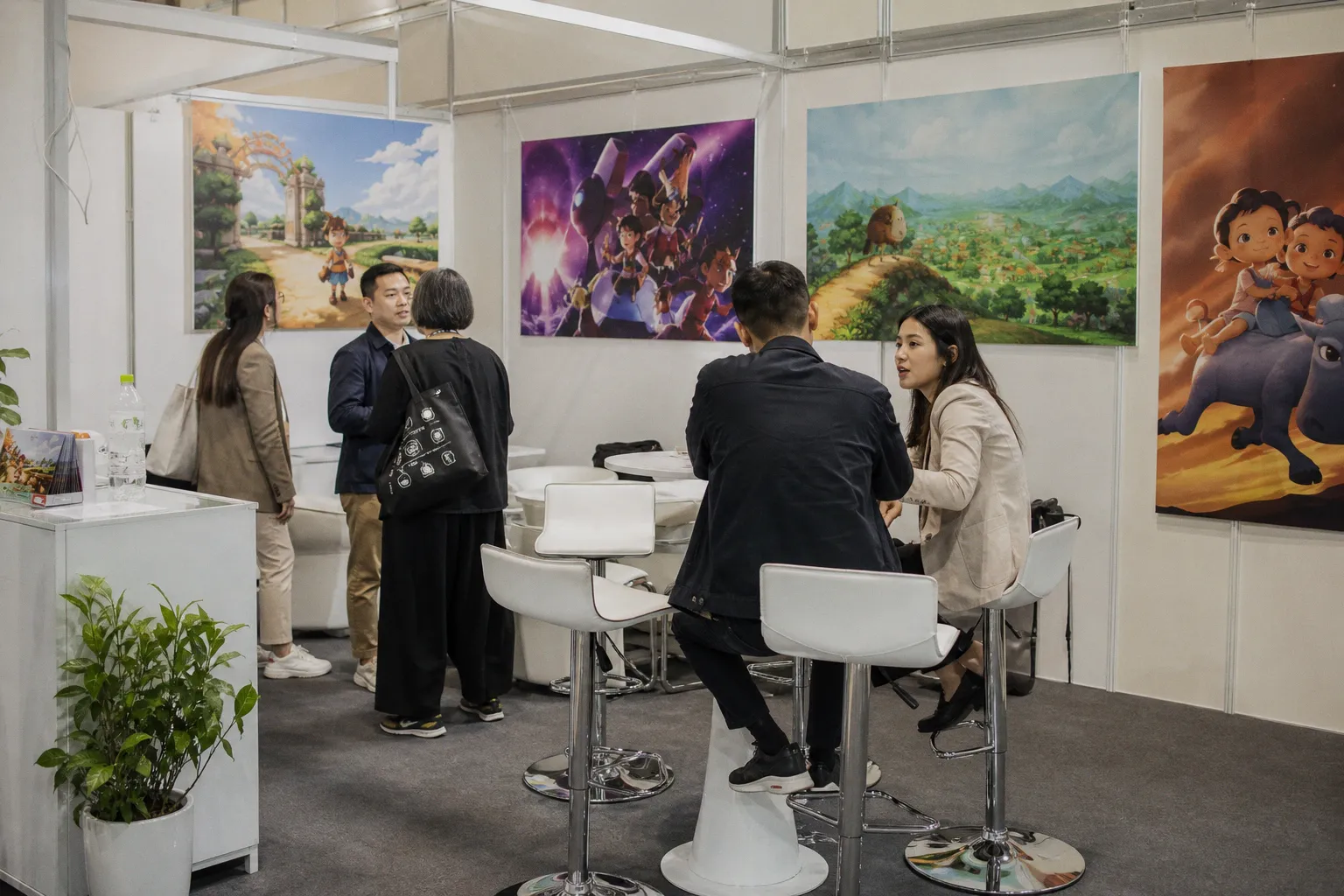
Local material as an export language
The most interesting phrase in the report is not “global audience” but “local stories.” In animation, locality can live in obvious places — folklore, landscape, architecture, costume — but it also lives in pacing, comic timing, color temperature, and the way a frame teaches us to look. When a studio builds outward from local narrative material, the ambition is not simply to translate Vietnamese culture for foreign viewers; it is to test whether a distinct sensibility can travel without being sanded down.
That is the delicate bargain for any emerging animation hub. Global reach can tempt filmmakers toward neutralized storytelling, the kind of frictionless international style that looks legible everywhere and memorable nowhere. The more compelling route, and the one suggested by this report, is harder: allowing the work to remain culturally rooted while making its emotional architecture clear enough for audiences beyond its first context.
For festival watchers, this is where the story becomes more than a production note. Animation has become one of the sharpest fields for national cinemas trying to expand their presence abroad, because the medium can carry myth, satire, childhood memory, and political metaphor without the same industrial burdens as live-action spectacle. If Vietnamese studios are foregrounding local stories, we should be watching not only for completed films, but for how those films frame identity through image and movement.
The market is already listening for new routes
The same news cluster points toward a broader circulation pattern. Big News Network reported that Digikore Studios signed a China distributor for Kingdom Games at MIFA Annecy, describing it as a major step toward the film’s global release. The detail matters because Annecy’s market orbit has become one of the places where animation’s future routes are negotiated: not just what gets made, but where it can travel, who takes it seriously, and which regional stories are considered exportable.
We should be careful not to flatten these items into one grand trend. A Vietnamese studio pursuing global viewers through local material and an Indian studio securing Chinese distribution are separate industry events. But placed side by side, they reveal a shared pressure point: animation from outside the most dominant production centers is increasingly presenting itself with international ambition from the start.
That ambition does not guarantee discovery. Distribution is still the hinge. A film can have thematic resonance, formal invention, and a strong sense of place, yet remain invisible if it cannot move through festivals, sales companies, streamers, broadcasters, or regional theatrical partners. The question for Vietnamese animation, then, is not only whether the stories are strong, but whether the ecosystem around them can make those stories encounterable.
What to watch next
The Vietnamese festival context is becoming harder to ignore. Tuoi Tre News reported that the 2026 Da Nang Asian Film Festival has drawn global stars and is screening more than 100 films. Even from the limited details available, that gives us a useful marker: Vietnam is not only producing screen culture; it is also building spaces where regional and international attention can gather around it.
For animation studios, that kind of visibility can be crucial. Festivals do not merely crown finished works; they create atmospheres of legitimacy. They allow programmers, critics, producers, and distributors to see a national or regional cinema as a field rather than as an isolated curiosity. If Vietnamese animation is serious about reaching beyond domestic audiences, the next meaningful signs will likely come through festival selections, market presentations, distribution announcements, and whether the films retain their local texture once they enter international circulation.
For our audience, the practical takeaway is simple but not small: follow the titles, not just the national label. Watch how Vietnamese animated projects describe their stories, where they premiere, whether they appear in Asian festival lineups, and whether sales or distribution deals follow. The lasting test will be aesthetic as much as commercial — whether these films can make us experience Vietnam not as decorative background, but as the very engine of their cinematic imagination.