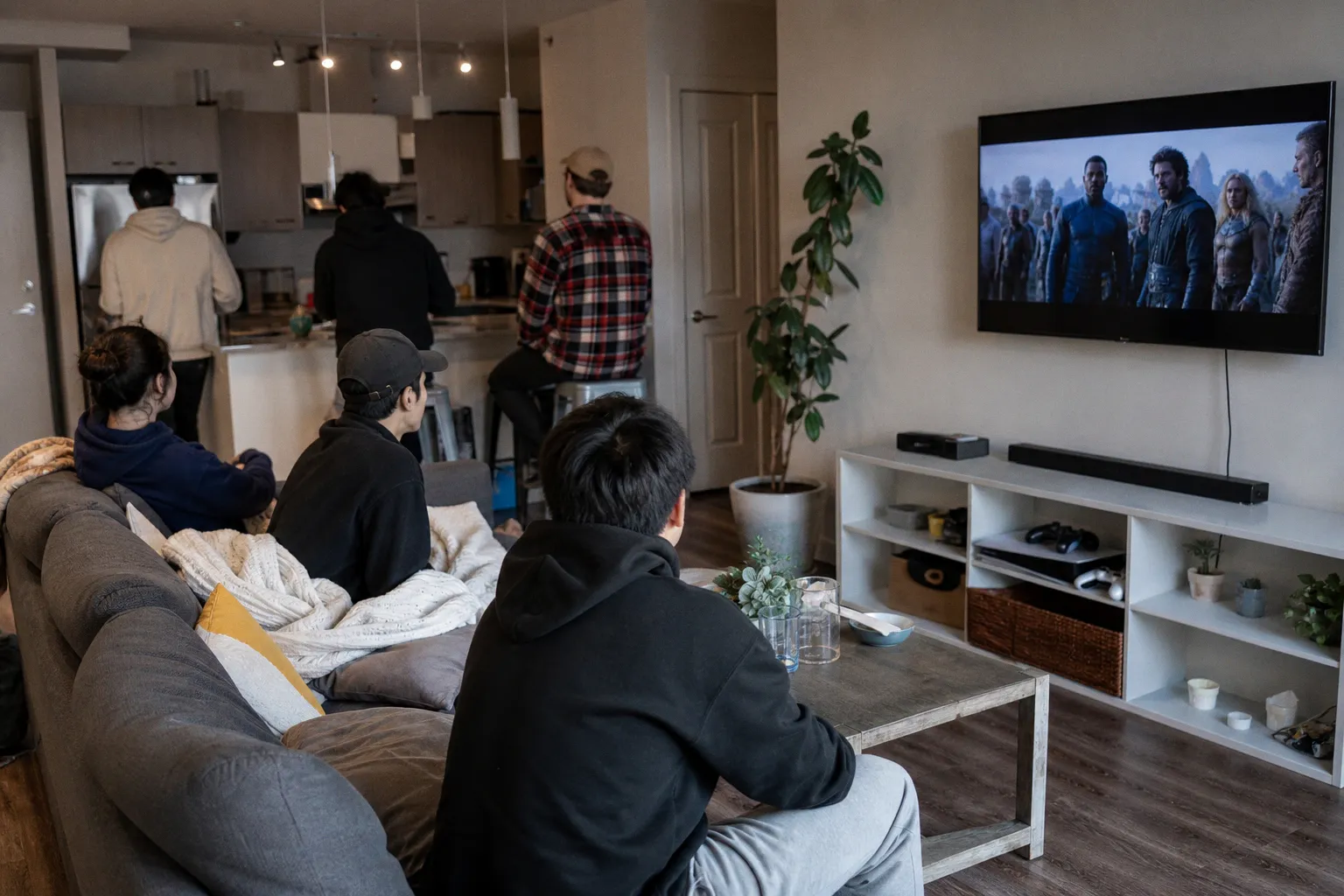
The franchise as a lived environment
InsightTrendsWorld’s central argument is simple but consequential: entertainment properties are increasingly being built as lifestyle ecosystems. Fans are not only asked to watch, subscribe or buy merchandise; they are invited to fold favorite characters and worlds into meals, shopping trips, family outings and social occasions.
The example cited is Dave’s Hot Chicken’s X-Meal, created alongside the launch of X-Men ’97 Season Two. According to the source, the limited-edition meal combines collectible character toys, nostalgic 1990s-inspired design and quick-service dining. In industrial terms, this is licensing. In cultural terms, it is a small but telling reframing of fandom’s mise-en-scène: the series does not end at the streaming interface, but reappears in packaging, objects, routine and appetite.
What is striking here is not simply the presence of branded food. Hollywood has long understood the value of tie-ins. The newer grammar is more immersive and more continuous. A release is treated less like a premiere date and more like a period of ambient participation, with ordinary spaces — restaurants, retail stores, hospitality venues — becoming extensions of the story world.
Collectibles, nostalgia and the return visit
The report points to collectibles as a mechanism for repeat engagement. Character-inspired products encourage fans to come back more than once, while deepening the emotional charge around a franchise. That logic will be familiar to anyone who has watched fandom move from posters and action figures into limited drops, themed menus and highly designed “moments” built for social circulation.
The nostalgic layer is just as important. In the Dave’s Hot Chicken example, the 1990s-inspired design is not decorative trivia; it speaks to the way legacy characters can carry childhood memory into adult consumption. X-Men ’97 already trades on the resonance of an earlier television era, and a food collaboration built around retro cues turns that memory into something tactile. We do not merely remember the old visual language; we hold it, unwrap it, photograph it, collect it.
For studios and streamers, this is a way of keeping a title alive before, during and after a season launch. For audiences, it can be pleasurable — fandom has always had a communal, object-driven dimension — but it also asks us to notice when emotional attachment is being converted into habitual commercial contact.
What to watch beyond the screen
The second source in the cluster, IndexBox, flags a market analysis of smart entertainment systems in Canada, though the available snippet does not provide figures or detailed findings. Still, placed beside the InsightTrendsWorld item, it points toward the same broad terrain: entertainment is no longer confined to one device, one room or one release window. It is becoming an infrastructure of domestic, digital and physical touchpoints.
For readers who follow film and television culture, the practical question is not whether branded collaborations will continue — the evidence here suggests they are already part of the release playbook — but which ones actually expand the imaginative life of a work. The best extensions preserve thematic resonance: they understand the visual identity, generational memory and communal pleasure of the source material. The weakest merely paste a logo onto a commodity.
That distinction will matter more as restaurants, retailers and lifestyle brands become unofficial stages for franchise storytelling. We are entering a phase in which the afterlife of a film or series may be measured not only in reviews, awards or streaming charts, but in how persuasively it inhabits the routines around us. For cinema and television, that is both an opportunity and a warning: the world beyond the screen can deepen a story’s hold — or flatten it into packaging.