Yogyakarta, November: Aiming Beyond the Domestic Box Office
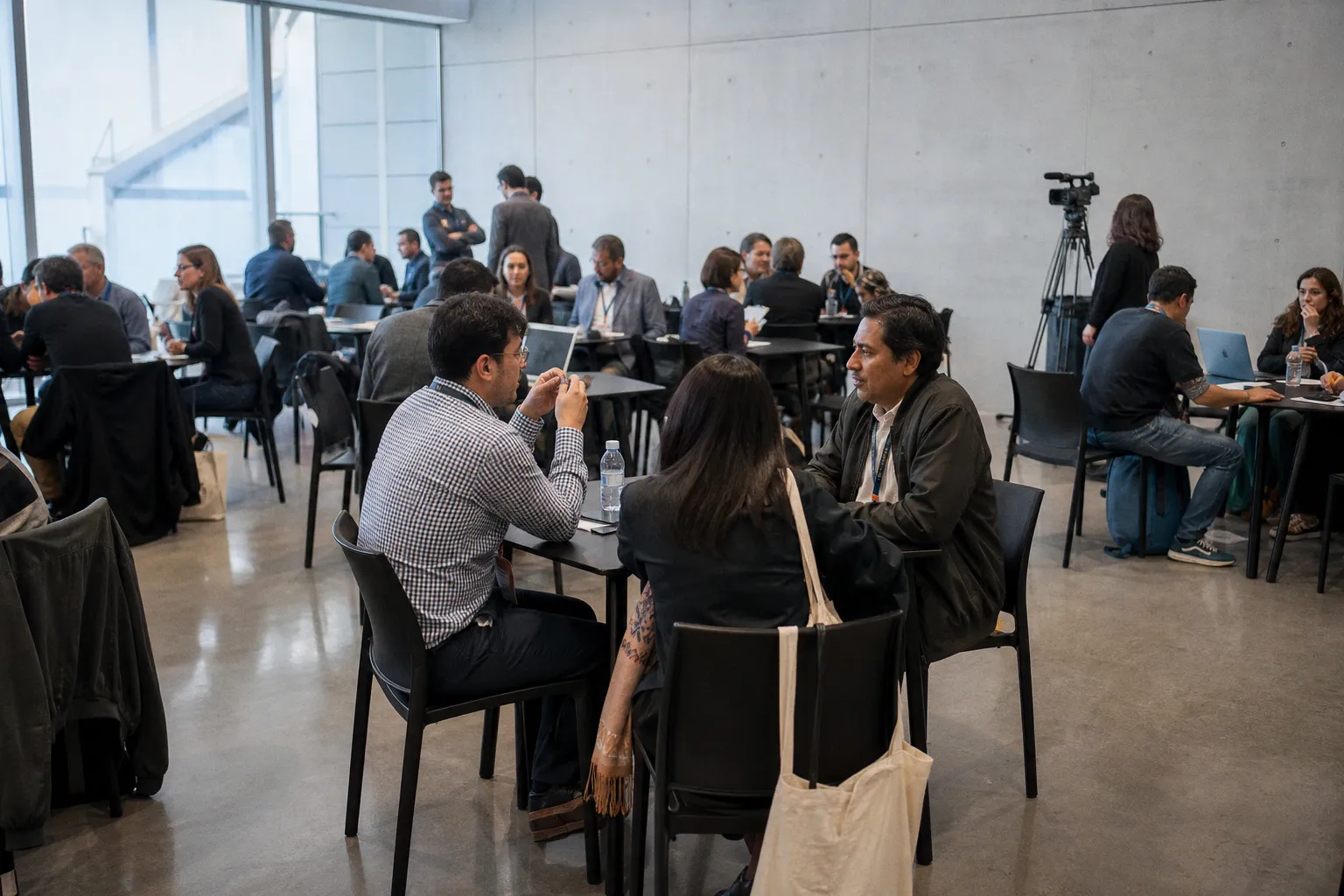
The Jogja-NETPAC Asian Film Festival's industry arm returns November 28-30, 2026 to the Jogja Expo Center, building on a template first set in 2024. Market Director Linda Gozali positioned this year's edition as a collaboration engine — JAFF Future Project, JAFF IP Connection, Talent Day, Film & Market Conference, and Market Screening are designed to fold investors, distributors, streaming platforms, and creative talent into a single conversation. The government's pitch, as Fadli articulated it, is straightforward: Indonesian stories should travel. "We want Indonesian films not only to be hosts in their own country, but also to be increasingly known and watched by the world community through rich, diverse, and strong Indonesian stories," he said. We hear, in that formulation, the particular anxiety of a national cinema seeking its international register without losing the textures of place.
The infrastructure question lingers beneath the rhetoric. Fadli acknowledged that the screen count remains inadequate for a population of nearly 290 million, and that the cinema-as-ritual — that communal darkness, that shared breath before a frame — must be defended as cultural infrastructure, not merely commercial real estate. For cinephiles tracking the region's slow but persistent expansion into global festival circuits, JAFF Market's wager is that distribution pathways, once made visible and navigable, will allow Indonesian cinema to meet the international appetite it has clearly earned.
Shanghai and the Other Mirror
If Jakarta is opening a new door, Shanghai just widened another. The Shanghai International Film & TV Market, co-hosted by the 28th Shanghai International Film Festival and the 31st Shanghai TV Festival, wrapped June 24 at the Shanghai Exhibition Center with figures that signal the scale of the moment: approximately 200 exhibitors, 75 of them from 15 overseas markets — a 50 percent year-on-year increase. SIFF itself received a record 4,100 submissions from 125 countries and regions, with 82 percent registered as world premieres. Spanish producers used the floor to court Asian partners, and Jordan's Royal Film Commission joined the Belt and Road Film Festival Alliance, expanding that network to 51 countries and 58 institutional members. Chen Guo, Managing Director of the Shanghai International Film & TV Events Center, described the ambition as "two-way empowerment" — a phrase worth holding onto as we watch how these cross-border pipelines actually behave once the delegations return home.
What we are witnessing across Jakarta and Shanghai in the same fortnight is not coincidence but convergence: the deliberate construction of regional hubs capable of negotiating directly with the streaming platforms and sales agents that once dictated terms from elsewhere. For our corner of the screen world, the question is no longer whether Asian cinema will find its audience, but whether the infrastructure being built this year will outlast the cycles that funded it.