The Architecture of Silence
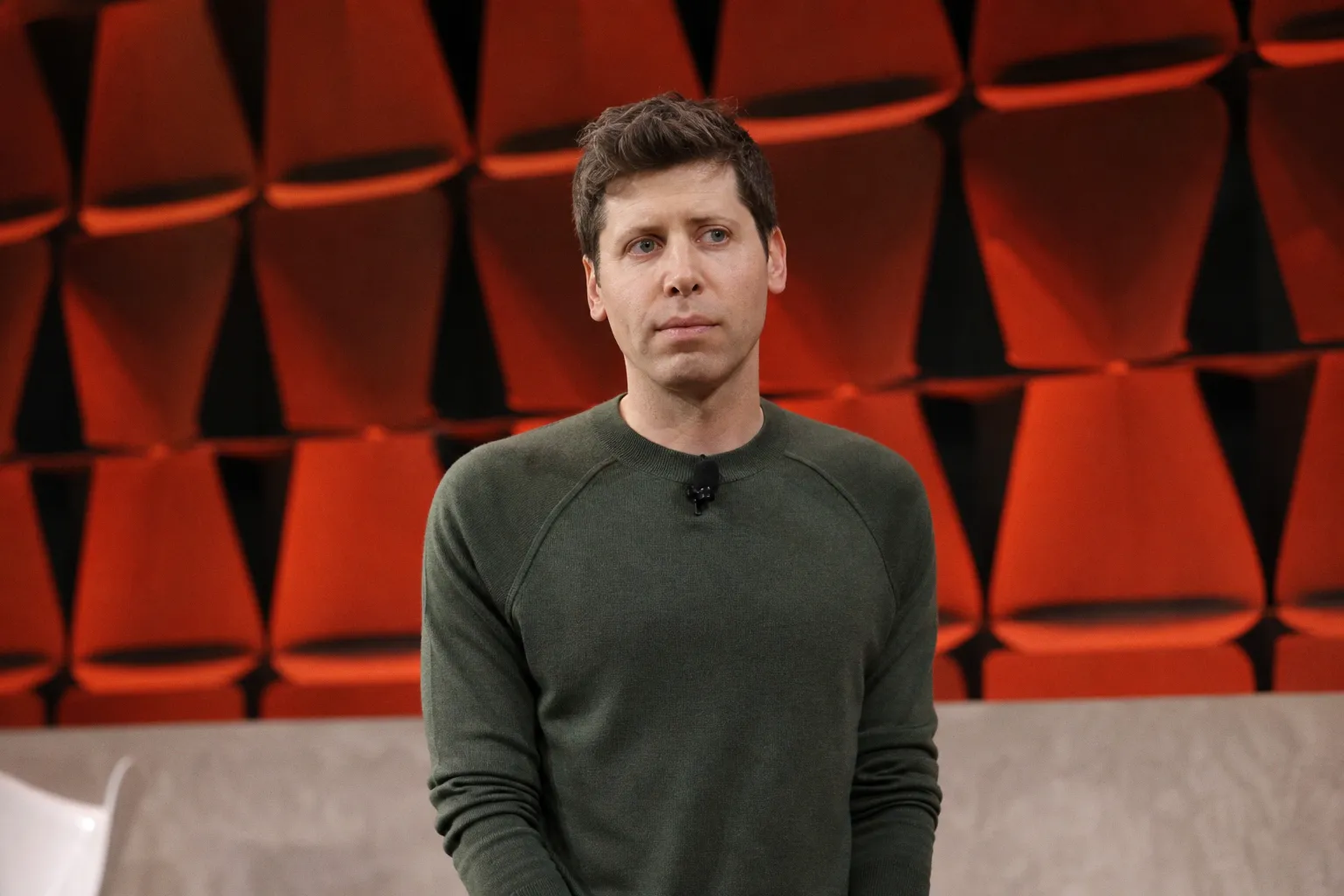
What makes this abandonment so striking is its timing and texture. Amazon MGM didn't pull the plug during development or early production — it waited until Guadagnino had nearly finished the film. The studio's official language was carefully diplomatic, praising the director while insisting the project would be "better served" elsewhere. But we experience the subtext clearly enough: Amazon committed $50 billion to OpenAI earlier this year, and distributing a film that reportedly portrays Altman and Elon Musk in less than flattering terms carries obvious friction. The cast assembled for this project — Andrew Garfield as Altman, Ike Barinholtz as Musk, Yura Borisov as Ilya Sutskever — speaks to the ambition and scale Guadagnino brought to Simon Rich's script. Test screenings, by all accounts, received warm receptions. This wasn't a troubled production. It was a production that became politically inconvenient.
A Pattern Emerging in the Frame
The broader industry implications here deserve careful dissection. When we look at the landscape following Amazon's retreat, we see other major players — Netflix, Focus, Warner Bros.' Clockwork — declining to step in. Only Neon and Mubi remain reportedly interested, smaller distributors who operate outside the corporate entanglements reshaping Hollywood's decision-making apparatus. And this arrives mere days after Google's DeepMind announced a $75 million, multiyear partnership with A24 to develop filmmaking technologies including storyboarding applications. The thematic resonance is impossible to ignore: studios are simultaneously embracing AI infrastructure while avoiding narratives that scrutinize the figures behind it. Artificial was poised to join the lineage of tech-titan portraits — The Social Network, The Dropout, the forthcoming The Social Reckoning. Instead, it has become a case study in what happens when cultural critique threatens financial partnerships.
What We're Actually Watching
The question that lingers concerns precedent more than this single film. Guadagnino — whose relationship with Amazon MGM produced Challengers and After the Hunt, whose work has found homes at A24, Sony Pictures Classics, and beyond — possesses the artistic capital that should insulate a project from this kind of corporate maneuvering. If Artificial can be orphaned this close to completion, we must ask what stories about technology, power, and accountability simply won't get told. The film's 2023 timeline captures a genuinely dramatic moment: Altman's ouster over concerns about candidness, the employee revolt, his reinstatement with a newly configured board. On paper, it reads as precisely the kind of urgent, morally complex narrative cinema exists to explore. That Hollywood's major players have collectively decided to look away suggests we're entering territory where the industry's critical function — its willingness to interrogate the forces shaping our lives — is being quietly negotiated out of existence. Neon or Mubi may ultimately give Artificial the home it deserves. But the fact that it needs rescuing at all tells us everything about where power actually sits.