A life too large for the balance sheet
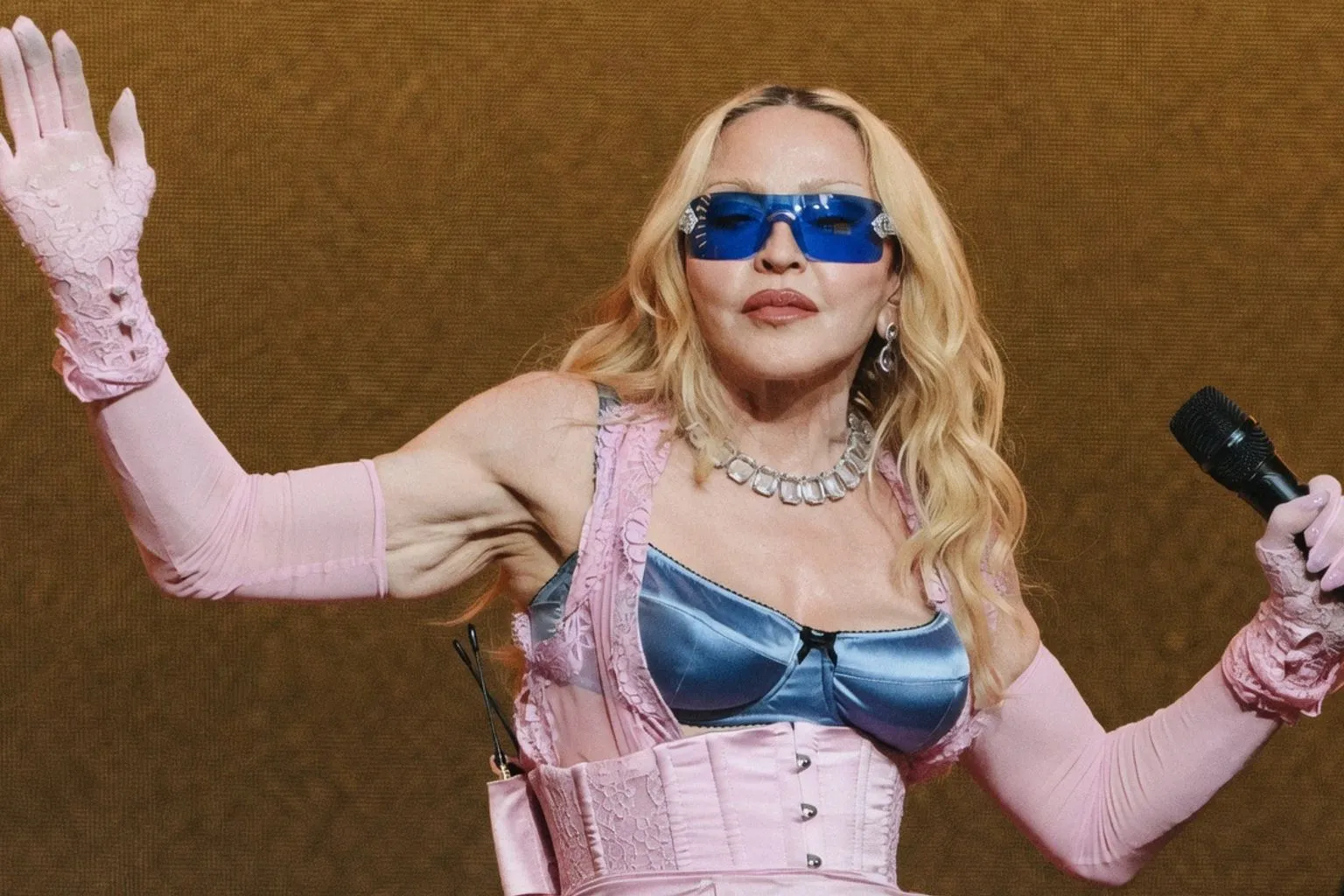
"We had a falling out, me and Universal, regarding budget because I needed—I've had an extraordinary life. I've had a huge life, so I needed a big budget," Madonna told the magazine. The project, first announced in 2020 with Young Adult screenwriter Diablo Cody attached, had already consumed roughly two years of development: scripting, budgeting, and what became an infamously gruelling audition process now remembered as the "Madonna bootcamp," which ultimately cast Emmy winner Julia Garner in the lead. By 2023, reports emerged that the film—working title Who's That Girl—had been quietly shelved. What Madonna has now made explicit is that the break was not creative fatigue but a hard financial line neither side could cross.
She even offered a logistical compromise—shifting production to Serbia to keep costs down. The studio's response, as she recounts it, cut deeper than any accounting disagreement: "Maybe they just didn't believe in me. One of their first reactions was: 'We don't believe you'd stay in Serbia more than four days.'" Her rebuttal was characteristically defiant: "Did you read the script? My whole life has been survival. I'm not going there for a holiday."
The director's paradox
What makes this collapse worth watching beyond celebrity-news cycles is the tension it exposes at the heart of the modern prestige biopic. Studios increasingly bank on star-driven life stories—Bohemian Rhapsody, Elvis—as near-guaranteed commercial propositions, yet they remain skittish when the subject demands the kind of sprawling canvas her story arguably requires. Madonna is not a three-act arc easily compressed into a tidy awards-season package; her cultural footprint stretches across music, fashion, film, and provocation over four decades. We experience her life as excess, reinvention, and spectacle. Translating that into a production budget the studio can greenlight is, it turns out, a harder problem than casting.
Madonna herself carries directorial credits—Filth and Wisdom and WE—that received sharply negative critical reception, a fact that cannot have helped her leverage at the negotiating table. Yet her instinct that the material demanded scale rather than economy is not unreasonable. The question Hollywood left unanswered is whether any filmmaker-author can maintain creative sovereignty over their own mythology when the studio's risk calculus intervenes.
What remains on the table
The fallout extends beyond a single shelved project. Madonna revealed that Netflix subsequently approached her about adapting the material as a series, but she was blocked by Universal's ownership of the screenplay she herself had written. Buying back her own script, she said, came at "an extortionist's price." The impasse underscores a structural reality familiar to anyone tracking IP disputes in the streaming era: even the creator of the story does not necessarily control its telling.
For now, we are left with Garner's uncanny screen test—still widely discussed—and the knowledge that the script exists, locked behind a studio paywall. Whether the project resurfaces under different auspices, or whether Madonna pursues another directorial path, is something worth tracking. In an industry that has lately proven eager to revisit once-abandoned passion projects, this particular life may yet find its budget.