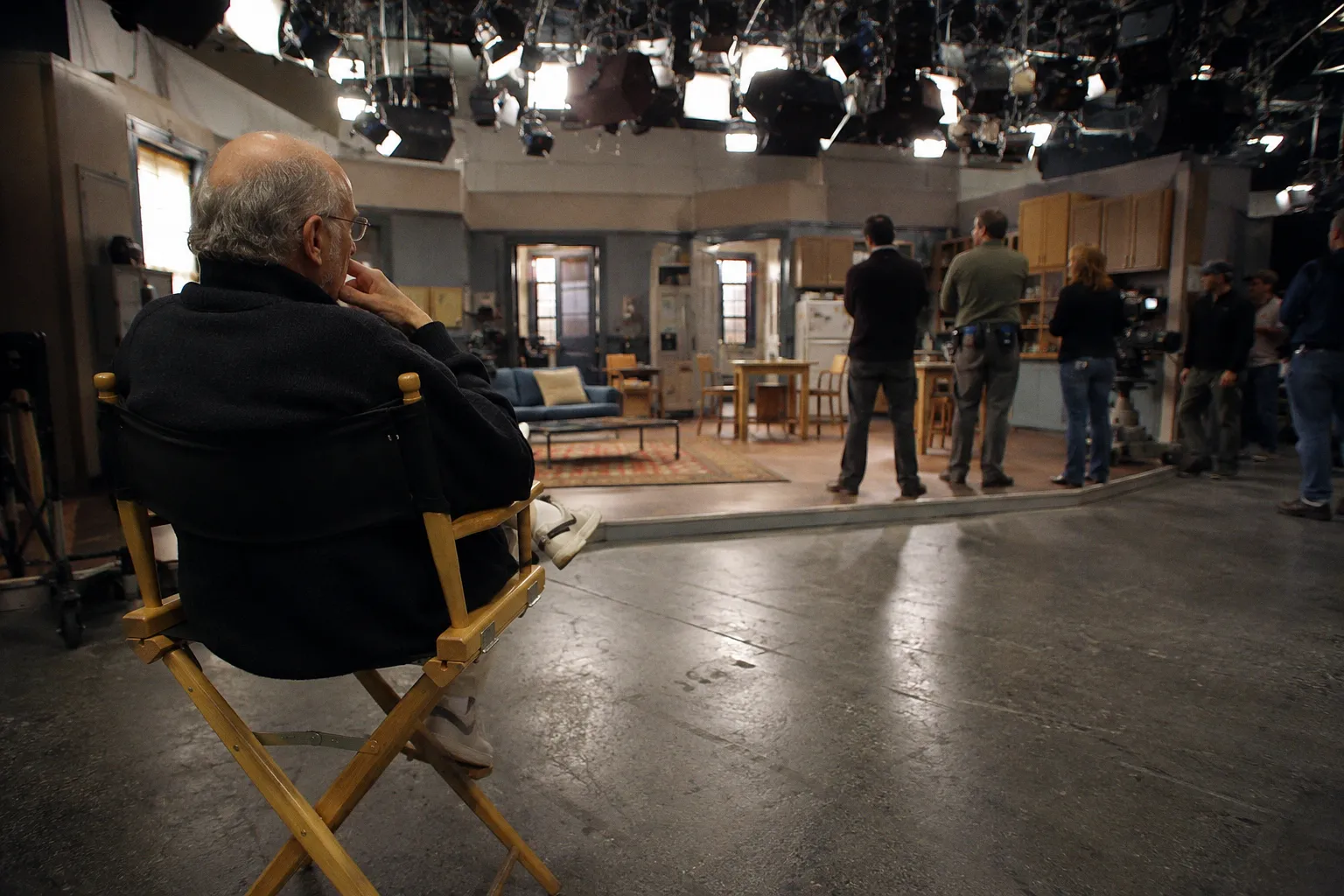
The Choreography of the Multi-Cam Space
To understand Burrows’ contribution is to examine how he structured physical space to generate comedy. Beginning in 1974 with his direction of *The Mary Tyler Moore Show*, Burrows approached the set not merely as a stage, but as a kinetic canvas where blocking and pacing dictated the emotional truth of a scene. Over a career that spanned more than fifty pilots, he established the foundational grammar for how characters interact within the domestic and workplace frames of American television.
His direction of 75 episodes of *Taxi* and 237 episodes of *Cheers*—which he also co-created—demonstrated an unparalleled mastery of ensemble blocking, ensuring that even the quietest reaction shot carried thematic weight. We see in his work a rigorous commitment to the live studio audience's energy, treating their laughter not as an interruption, but as a metric of narrative rhythm that the actors and cameras had to navigate in perfect harmony.
Elevating the Television Director to Auteur
Historically, television history has favored the showrunner or the star, leaving the director's stylistic signature somewhat obscured. Yet, Burrows’ filmography demands that we apply a form of auteur theory to the small screen. With 11 Emmy Awards and five Directors Guild of America awards to his name, his influence shaped the defining comedies of multiple generations, from the sophisticated farce of *Frasier* and the tight ensemble dynamics of *Friends* to directing every single episode of *Will & Grace* across both its original run and its revival.
In these works, we experience a director who understood that comedy requires a specific visual architecture—a reliance on medium-wide shots that allow physical comedy to breathe, balanced with sudden, intimate close-ups that anchor the characters' vulnerabilities.
A Legacy of Rhythmic Precision
Even as the television landscape shifted toward single-camera setups and streaming platforms, Burrows remained committed to the classic multi-camera format he helped perfect. His final helming credit, directing all ten episodes of Hulu's *Mid-Century Modern*, serves as a testament to his enduring creative stamina and his unwavering belief in the theatricality of the sitcom.
Nearly a decade after NBC broadcast a primetime tribute celebrating his monumental career, his passing invites us to re-evaluate the artistry behind the laughter we so often take for granted. Burrows leaves behind a legacy that is not merely measured in syndication milestones, but in the very way we conceptualize comedic timing and spatial storytelling on screen.