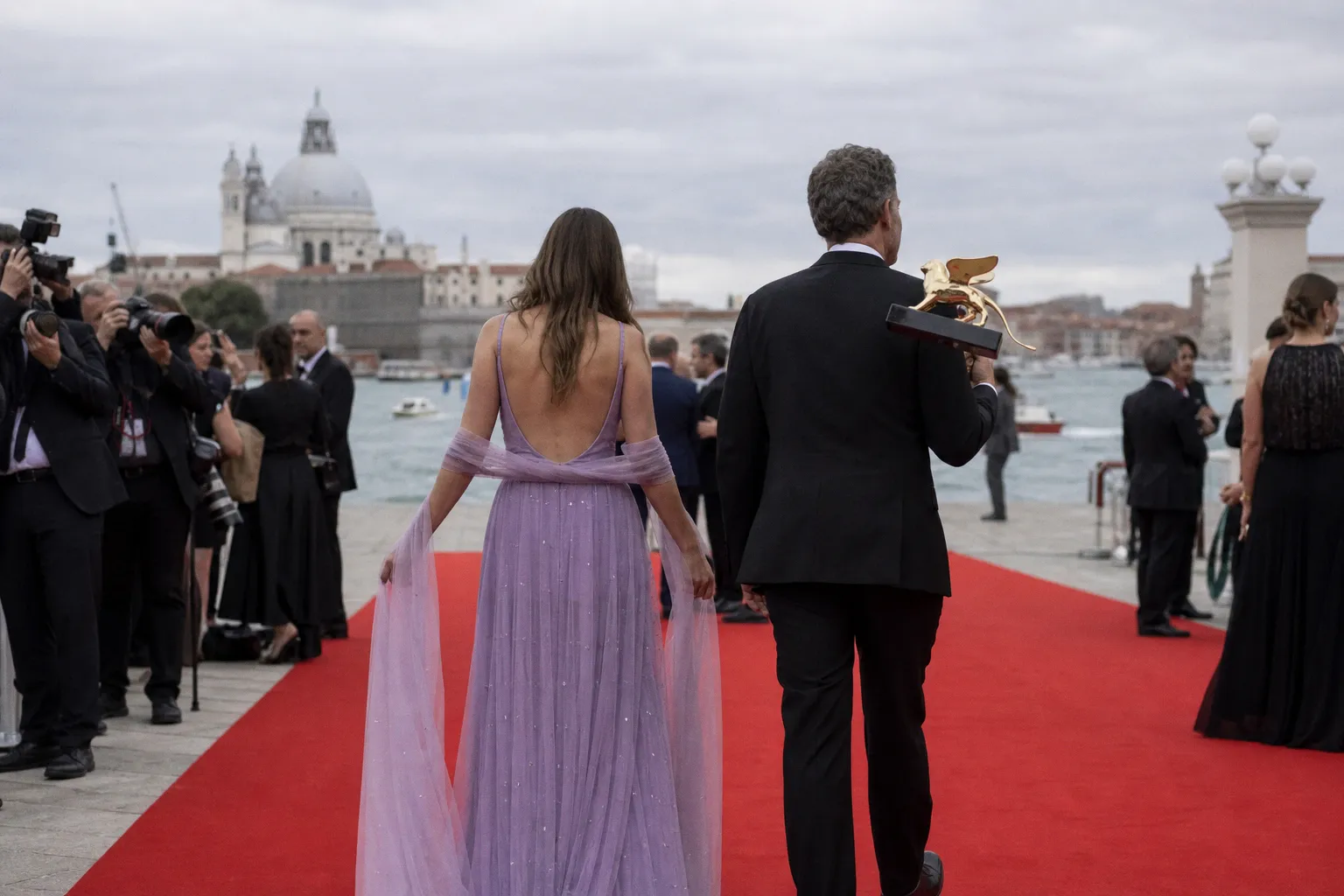
The late-summer corridor is already crowded
The calendar begins its visible run in July with Karlovy Vary International Film Festival in Czechia set for July 3-11, followed by Golden Apricot in Armenia from July 12-19. That same mid-July pressure point includes Boulder Environmental Nature Outdoors Film Festival in the US, Fantasia International Film Festival in Canada from July 16-August 2, and Malaysia International Film Festival from July 18-25.
What we see here is the familiar widening of the festival frame: genre, regional identity, environmental cinema and international auteur work all occupying the same stretch of the calendar. New Horizons in Poland runs July 23-August 2, while Whānau Mārama: New Zealand International Film Festival extends from July 29-September 9, giving the period a long tail rather than a neat ending.
August then carries the baton through Melbourne International Film Festival, August 6-23, Martha’s Vineyard African-American Film Festival, August 7-15, Sarajevo Film Festival, August 14-21, and Norway’s Haugesund, August 22-28. For the niche audience that follows festival positioning, this is where the visual grammar of a season often starts to clarify: which films are seeking cinephile heat, which are courting regional prestige, and which are simply trying to be seen before the autumn crush.
September and October form the campaign spine
The calendar’s September stretch is especially significant because it places Toronto International Film Festival from September 10-20 inside a busy field rather than on an isolated pedestal. Around it sit Brussels International Film Festival, September 4-12; Martha’s Vineyard International Film Festival, September 8-13; DMZ International Documentary Film Festival in South Korea, September 10-16; Atlantic International Film Festival in Canada, September 16-23; and San Sebastian, September 18-26.
This is not merely logistical congestion. It is where pacing becomes strategy. A film can arrive through Toronto’s broad public-facing energy, through San Sebastian’s European prestige, through documentary channels such as DMZ, or through smaller platforms that shape reputations more quietly. Pingyao in China is listed for September 23-29, Reykjavik for September 24-October 4, and Bolton in the UK for September 30-October 4.
October then becomes almost orchestral in its overlap. Festival do Rio and Vancouver both run October 1-11. Busan follows October 6-15, while Dinard British & Irish Film Festival is set for October 7-11. Leiden runs October 8-18; Sydney Science Fiction Film Festival, October 9-11; Festival du nouveau cinéma of Montreal, October 12-26; La Roche-sur-Yon, October 12-18.
The density matters because festival attention is finite. When Hawaii International Film Festival, Roscommon, Ji.hlava, Valladolid, Budapest, Molodist Kyiv, Tokyo, Evolution Mallorca and Cheltenham all fall across late October into early November, even strong films need a precise route through the noise. For programmers and publicists, the question is less “where can we play?” than “where does the film’s thematic resonance sharpen rather than blur?”
What to track next
Screen Daily describes its calendar as regularly updated, and that detail is the practical hinge. Dates can be submitted or altered through the outlet’s process, so anyone building a 2026 festival plan should treat the current list as a working document rather than a sealed canon.
The later calendar includes Rehoboth Beach International Film Festival, November 1-8; European Film Festival Scanorama in Lithuania, November 5-22; IDFA in Amsterdam, November 12-22; and Jogpa-NETPAC Asian Film Festival in Indonesia, November 28-December 5. These are not afterthoughts. In the long awards and discovery season, November can function as a second reading of the year’s cinema: documentary strength, regional circulation, and films that acquire meaning after their first burst of visibility.
One additional industry signal sits beside the calendar: IMDb reports that Alamo Drafthouse has launched a distribution program to screen unreleased film festival movies in theaters. The available snippet gives no further confirmed detail, so caution is necessary. But even at headline level, it points toward a familiar anxiety in contemporary screen culture: the gap between festival acclaim and public access. If 2026’s calendar tells us where films may first gather aura, the next question is where audiences will actually be able to encounter them.