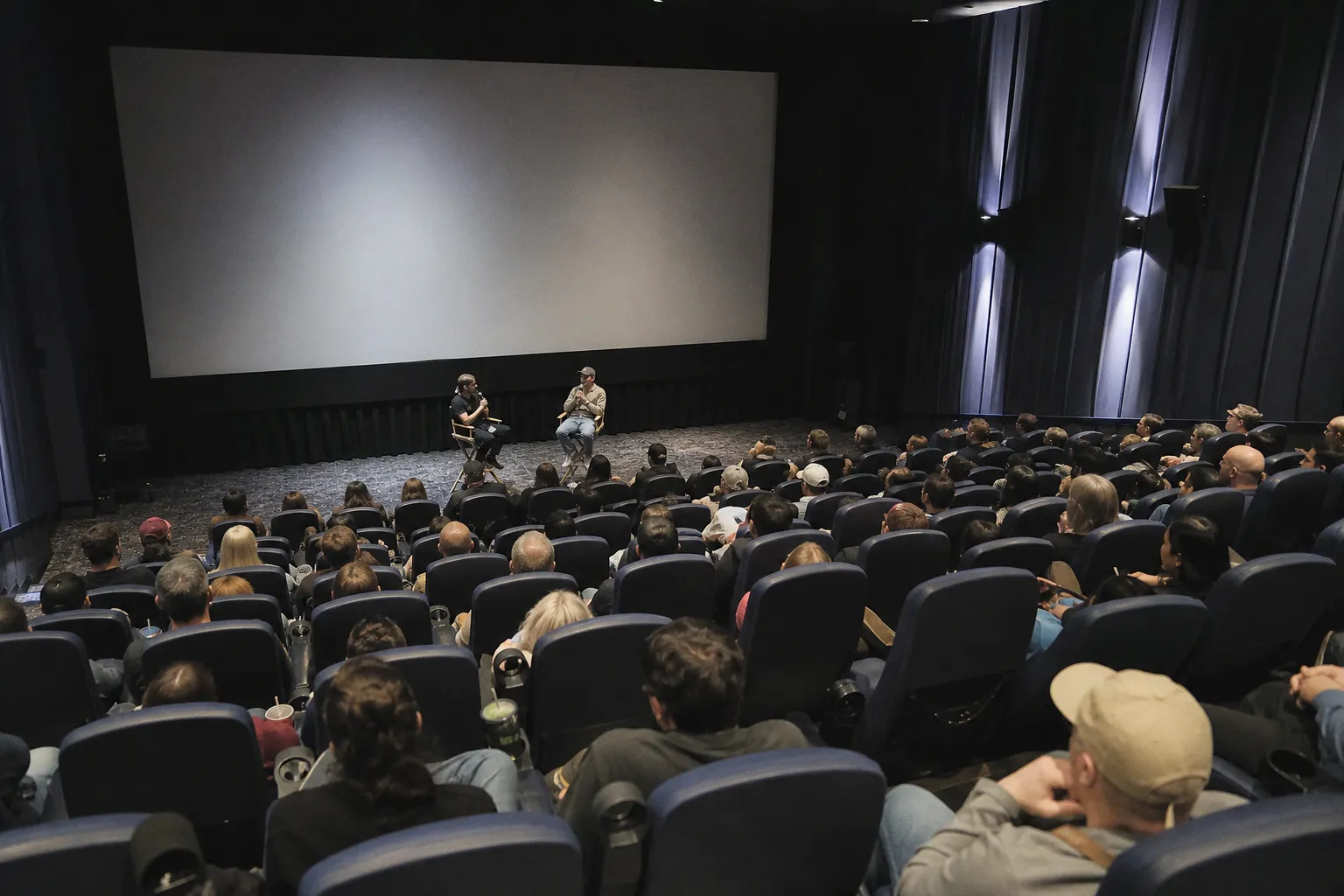
Pixar’s frame-by-frame conversation moves into the auditorium
TheaterEars, better known for letting moviegoers hear films in different languages, has been building what it calls a “Director’s Experience”: a synchronized commentary track designed to play while the film is still on the big screen. Toy Story 5 is notable because it becomes the first animated feature in that lineup, following earlier commentary tracks tied to Project Hail Mary and The Mandalorian & Grogu.
That distinction matters. Animation is cinema at its most deliberately constructed: no accidental weather, no stray glance, no background object that simply wandered into the frame. Stanton’s own quote, carried by the sources, goes straight to that point: “Every frame of Toy Story 5 holds a decision the audience never sees.” For a franchise built on emotional clarity and immaculate staging, hearing the maker speak over the finished image is less a novelty than a small shift in how we are invited to watch.
Dan Mangru, CEO of TheaterEars, frames the move as a natural fit for Pixar’s flagship mythology, saying Toy Story is the franchise that made millions “fall in love with the movies.” The phrasing is promotional, certainly, but the underlying idea is sound: if theatrical commentary is going to cross into animation, Pixar is a logical place to begin.
How the commentary works in practice
The setup, as described by the reports, is intentionally simple. Viewers download the free TheaterEars app, bring headphones to the theater, choose Toy Story 5, then select the movie theater and showtime. The app listens to the film’s audio and syncs Stanton’s commentary to the exact moment on screen.
That last detail is the essential one. The anxiety with any second-screen theatrical experiment is timing: a commentary that drifts even slightly can turn revelation into distraction. TheaterEars says the app uses the movie’s audio to align the track, which should allow the commentary to follow the film’s pacing rather than forcing the viewer to manage it manually.
There is, however, an etiquette question folded into the technology. This is still a shared auditorium, not a living room. The experience only works if phones stay dim and discreet, and headphones keep the commentary private. A director’s voice can deepen our attention; it should not puncture someone else’s first encounter with the film.
Why this is more than a bonus feature
For cinephiles, the old commentary track has always been a quiet classroom: production choices, performance calibration, edits that reshaped a scene’s thematic resonance. Moving that classroom into the theatrical window changes the temperature of the experience. We are no longer revisiting the film after it has settled; we are studying it while it is still publicly alive.
That may be especially useful for Toy Story 5, which WDW News Today reports has been the world’s No. 1 movie for two consecutive weeks and has taken in more than $600 million globally so far. A repeat viewing is already part of the franchise’s commercial rhythm; Stanton’s track gives that second trip a clearer critical purpose.
The practical advice is straightforward: if you have already seen Toy Story 5 and want to look past the surface movement of Woody, Buzz, Jessie, and the rest, this is the weekend to check whether your local showtime is supported in TheaterEars. Bring headphones, set everything up before the lights go down, and let the commentary become what it should be: not noise layered over the movie, but a guided look at the invisible labor inside the frame.