The Economics of Longing
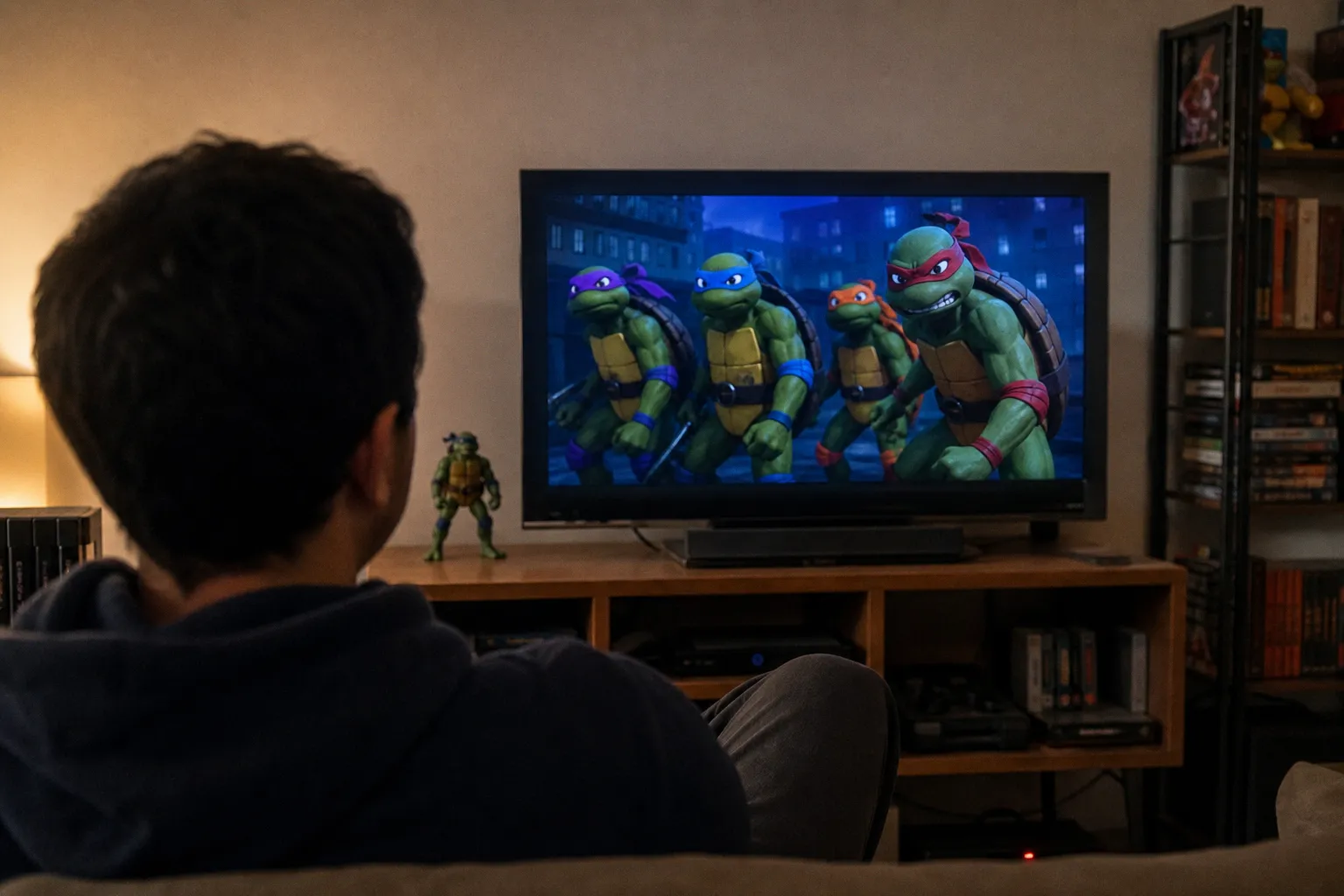
This isn't mere sentimentality; it's a calculated industrial strategy. The re-emergence of properties like the Looney Tunes film underscores a fundamental shift in risk assessment. In an algorithm-driven marketplace, a known quantity—a beloved character, a familiar visual language—offers a pre-built scaffold of audience recognition and emotional investment. The final trailer for Coyote vs. Acme arriving alongside ticket sales is the final turn of a key in a lock designed years ago. Studios are no longer just greenlighting films; they are managing legacy portfolios, where dormant IP is a bankable asset waiting for the right cultural moment or financial strategy to be reactivated.
Trailers as the New Opening Weekend
The mechanism for delivering this nostalgia has itself been transformed. Consider the seismic impact of a property like Spider-Man: Brand New Day. Its trailer event culture demonstrates that the anticipation engine has become the main feature. We no longer consume a preview; we participate in it, dissecting it, creating our own layered interpretations. This transforms marketing from a one-way broadcast into a collaborative, multi-week narrative. The first chapter of the audience’s journey is now written not in a cinema, but in the collective, frame-by-frame analysis that dominates online conversation, building a fortress of engagement long before the credits roll.
Authenticity vs. Algorithm
Here lies the tension at the heart of the trend. As Big News Network observes, nostalgia is a dominant force, but its execution requires finesse. The most resonant works—whether a delayed Looney Tunes legal satire or a new chapter in a web-slinger’s saga—don’t simply replicate the past. They converse with it, using our collective memory as thematic shorthand to explore new anxieties. The risk, however, is that this powerful tool becomes a blunt instrument. When every studio mines the same well, the water risks tasting of obligation rather than genuine reinvention. The audience’s memory, after all, is also a repository of the original magic. We recognise, and ultimately reward, the projects that understand the difference between echoing a feeling and merely echoing a sound.
The longevity of a project like Coyote vs. Acme proves that in this landscape, nothing is ever truly dead—only waiting for its moment of nostalgic resurgence. The question for filmmakers and studios is no longer if to look back, but how to ensure what they bring forward still has something vital to say.