Redefining the Cinematic Frame
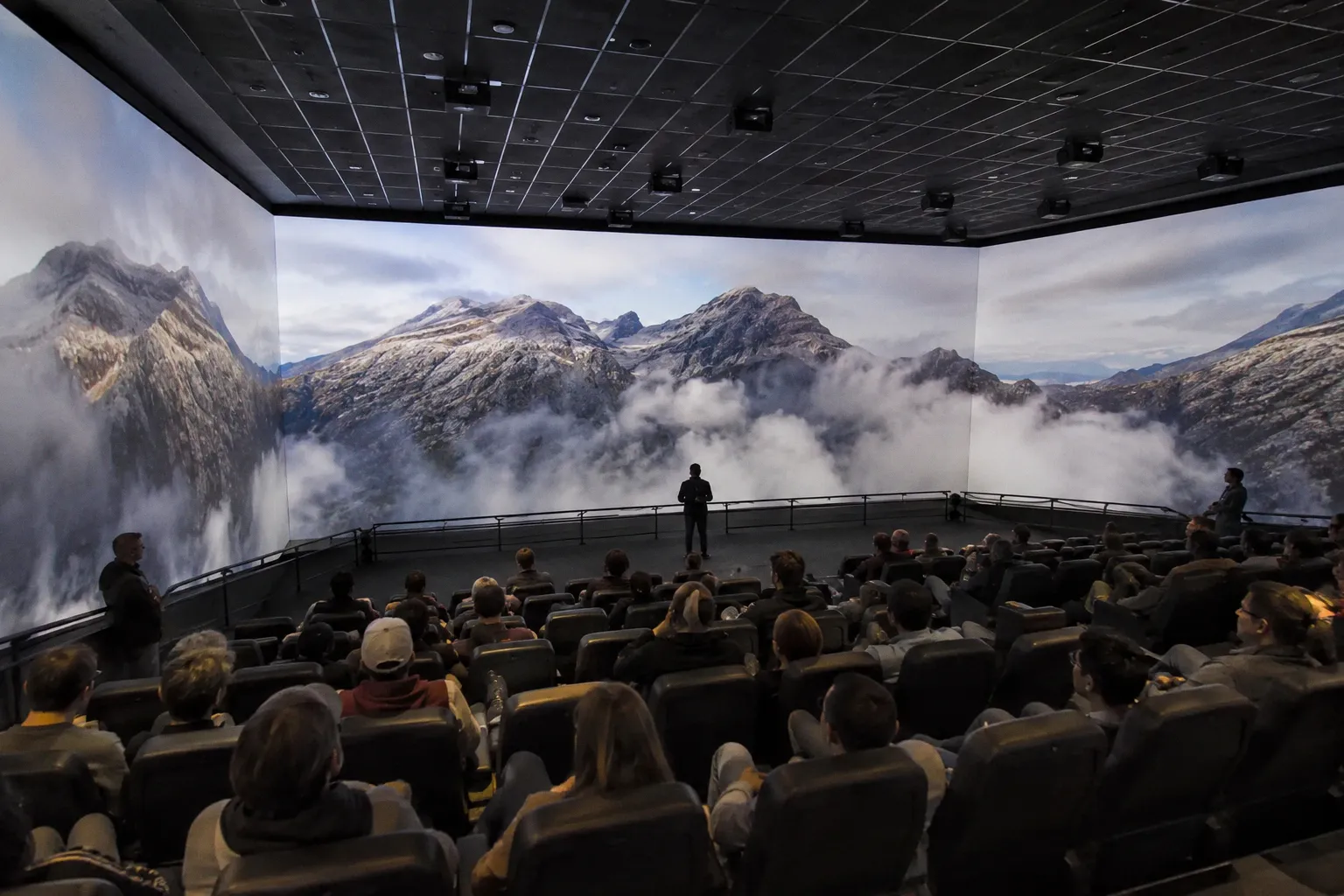
In analyzing the mechanics of SCREENX, we observe a format that rejects the singular focal point of traditional projection. By utilizing multi-projection technology to cast peripheral imagery onto the side walls of the auditorium during key sequences, the format attempts to dissolve the barrier between spectator and screen. We do not merely look at the frame; we are enveloped by it. This spatial expansion demands a different kind of visual grammar from directors, who must compose scenes knowing that the narrative world will literally spill over into the viewer's peripheral vision.
For the Event Cinemas circuit, which already utilizes CJ 4DPLEX's multi-sensory 4DX technology across eight of its locations, this move represents a deeper commitment to what EVT’s Director of Entertainment for ANZ, Carmen Switzer, terms a strategy of "premiumisation"—an effort to satisfy an audience increasingly seeking theatrical events that transcend the standard screen. The challenge for filmmakers, then, is to ensure that this technology serves the thematic resonance of the work rather than acting as a mere gimmick.
The Geography of Immersion
The rollout of these new auditoriums targets key cultural hubs, beginning with Event Cinemas Bondi in Australia and Event Cinemas Albany in New Zealand, alongside two yet-to-be-disclosed Australian venues. Scheduled to open by Christmas this year, just ahead of the blockbuster summer season, these installations represent a calculated bet on the enduring draw of the communal, high-specification theater.
Don Savant of CJ 4DPLEX notes that this expansion serves as a defining signal of global theatrical trends, pointing to Australia and New Zealand as highly dynamic markets for immersive formats. As critics, we must ask whether these technological enhancements genuinely serve the artistic integrity of the films shown, or if they function primarily as spectacles of scale. Yet, when executed with narrative intent, the panoramic format offers filmmakers an expansive canvas to explore scale and depth in ways that domestic streaming setups simply cannot match.
The Future of Spectacle and Story
Whether this format will yield lasting artistic masterpieces or remain a novelty reserved for tentpole releases depends entirely on how directors choose to author their films for the 270-degree space. As we look toward the upcoming slate of summer blockbusters, the success of these new screens will be measured not just by ticket sales, but by how seamlessly the technology integrates with visual storytelling. If the format can elevate the thematic resonance of a film rather than merely distracting the eye, it may well secure its place as a permanent evolution of the cinematic form, rather than a transient theatrical trend.